
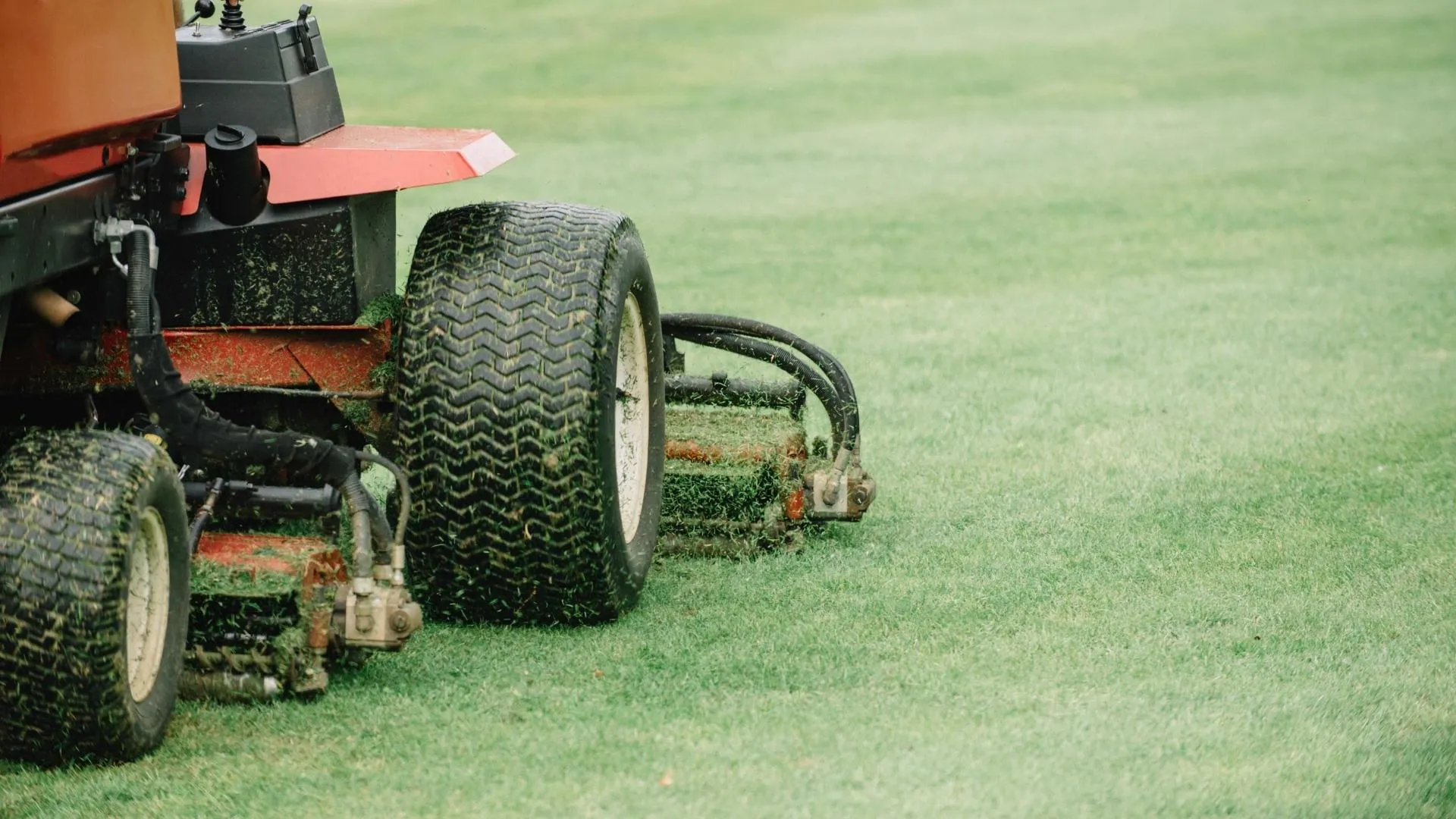
A healthy and attractive outdoor space does not happen on its own. Homeowners and property managers rely on consistent landscape maintenance to protect their investment and keep their yards looking sharp. When people ask what is landscape maintenance, the answer goes far beyond mowing the grass. Proper care combines horticultural knowledge, routine upkeep, and strategic improvements that support the long term health of your lawn and plantings.
What Landscape Maintenance Really Means
Landscape maintenance is the ongoing care of lawns, plants, hardscape features, and outdoor systems. Many refer to it as yard maintenance, grounds care, or landscape upkeep. No matter the term, the goal is the same. The goal is to preserve the appearance, function, and value of the property.
High quality maintenance includes scheduled services, seasonal tasks, and proactive care that prevents costly damage.
Core Services Included in Landscape Maintenance
Lawn Care Essentials
A well maintained lawn forms the foundation of any landscape. Standard lawn maintenance services include:
- Regular mowing that follows turfgrass best practices
- Edging around walkways, beds, and driveways
- Blowing and cleanup of grass clippings and debris
- Fertilization programs designed for local soil conditions
- Weed control to reduce invasive species
- Aeration and overseeding during the proper seasons
Industry studies show that healthy, dense lawns can increase property value by as much as 15 percent. This makes routine lawn care an important part of preserving curb appeal.
Plant and Shrub Care
Landscape upkeep also includes hands on attention to trees, shrubs, perennial beds, and ornamental plantings. These tasks often involve:
- Pruning for shape, safety, and plant health
- Selective trimming to encourage new growth
- Mulching to regulate soil temperature and moisture
- Fertilizing ornamental plants
- Monitoring for pests and diseases
- Replacing dying or stressed vegetation
Professionally maintained plants tend to live longer and resist common problems more effectively, which reduces long term replacement costs.
Seasonal Cleanup
Seasonal landscape services keep outdoor spaces safe and tidy throughout the year. Typical seasonal tasks include:
- Spring cleanup of winter debris
- Bed preparation and early season pruning
- Fall cleanup of leaves and spent vegetation
- Winterizing sensitive plants and irrigation components
These steps protect plants from seasonal stress and prepare the landscape for the next growth cycle.

Irrigation Care and Water Management
An efficient irrigation system supports healthy turf and plants. Landscape maintenance for irrigation often includes:
- Inspection of sprinkler heads
- Adjustments to coverage patterns
- Leak detection and repair
- Seasonal activation and winter shutdown
- Optimization of watering schedules based on weather patterns
Water conservation remains a priority in many regions. A well maintained irrigation system can reduce water usage by up to 30 percent compared to neglected systems, according to landscape industry research.
Hardscape and Property Maintenance
Many people refer only to plant and lawn care when discussing landscape maintenance. However, hardscape components also need regular attention. These features include patios, walkways, retaining walls, and outdoor living areas. Maintenance can involve:
- Power washing surfaces
- Checking for settling or cracks
- Cleaning debris from joints and drains
- Minor repairs that prevent larger issues
Keeping both softscape and hardscape elements in good condition ensures better usability and a more polished appearance.
Why Landscape Maintenance Matters
Preserves Property Value
Homes and commercial properties with well maintained landscapes consistently sell faster and at higher prices. According to research from the National Association of Realtors, landscape quality can influence buyers more than interior upgrades. Routine grounds care safeguards this asset.
Enhances Safety and Function
Overgrown branches, damaged walkways, and poorly maintained lawns can create hazards. Regular maintenance reduces risks. For example, proper tree and shrub trimming improves visibility and reduces the chance of storm damage. Clean walkways lower the risk of slips and falls.
Supports Plant Health
Plants that receive consistent care develop stronger root systems and better resistance to pests and disease. Preventative care is more cost effective than emergency treatment or replacement. This is why routine plant health monitoring remains a core part of professional grounds care.
Improves Curb Appeal
A clean, vibrant landscape makes a positive first impression. Whether it is a home, business, or community property, curb appeal communicates pride and attention to detail. Routine upkeep keeps the yard looking inviting all year.
Saves Money Over Time
Neglected landscapes often require costly restoration. Dead patches of lawn, failed irrigation systems, or dying shrubs can add up. Regular maintenance reduces the chance of major repairs and keeps everything functioning as intended.
How to Choose the Right Landscape Maintenance Plan
Assess the Needs of Your Property
Every property is unique. The right plan depends on factors such as:
- Size of the yard
- Type of turfgrass
- Number and variety of plants
- Tree coverage
- Irrigation setup
- Hardscape features
An experienced landscape company can perform a site evaluation and recommend a customized maintenance program.
Consider Full Service vs. Basic Care
Full service landscape care includes everything from lawn mowing and plant care to irrigation management and seasonal cleanups. Basic service focuses mostly on mowing and light trimming. Property owners who want consistent results often prefer a full service plan because it keeps every part of the yard cared for.
Review Credentials and Experience
Look for companies that:
- Employ trained horticultural professionals
- Follow best practices recommended by organizations such as the National Association of Landscape Professionals
- Provide transparent pricing
- Have positive customer reviews
- Carry proper licensing and insurance
Working with qualified professionals ensures that your landscape receives expert level care.
Confirm Communication and Reliability
Reliable service matters. A trustworthy provider communicates clearly, sticks to a schedule, and responds quickly to any concerns. This builds confidence and keeps the entire maintenance process running smoothly.
Conclusion
Landscape maintenance includes far more than simple lawn mowing. It involves a complete system of lawn care, plant management, irrigation oversight, seasonal cleanup, and hardscape upkeep that protects and enhances the value of your property. Consistent care supports plant health, boosts curb appeal, and reduces long term expenses. For homeowners and property managers who want a vibrant and reliable outdoor space, professional landscape care delivers dependable results.
If you want an outdoor environment that stays healthy and attractive in every season, request a maintenance plan that fits your property needs.